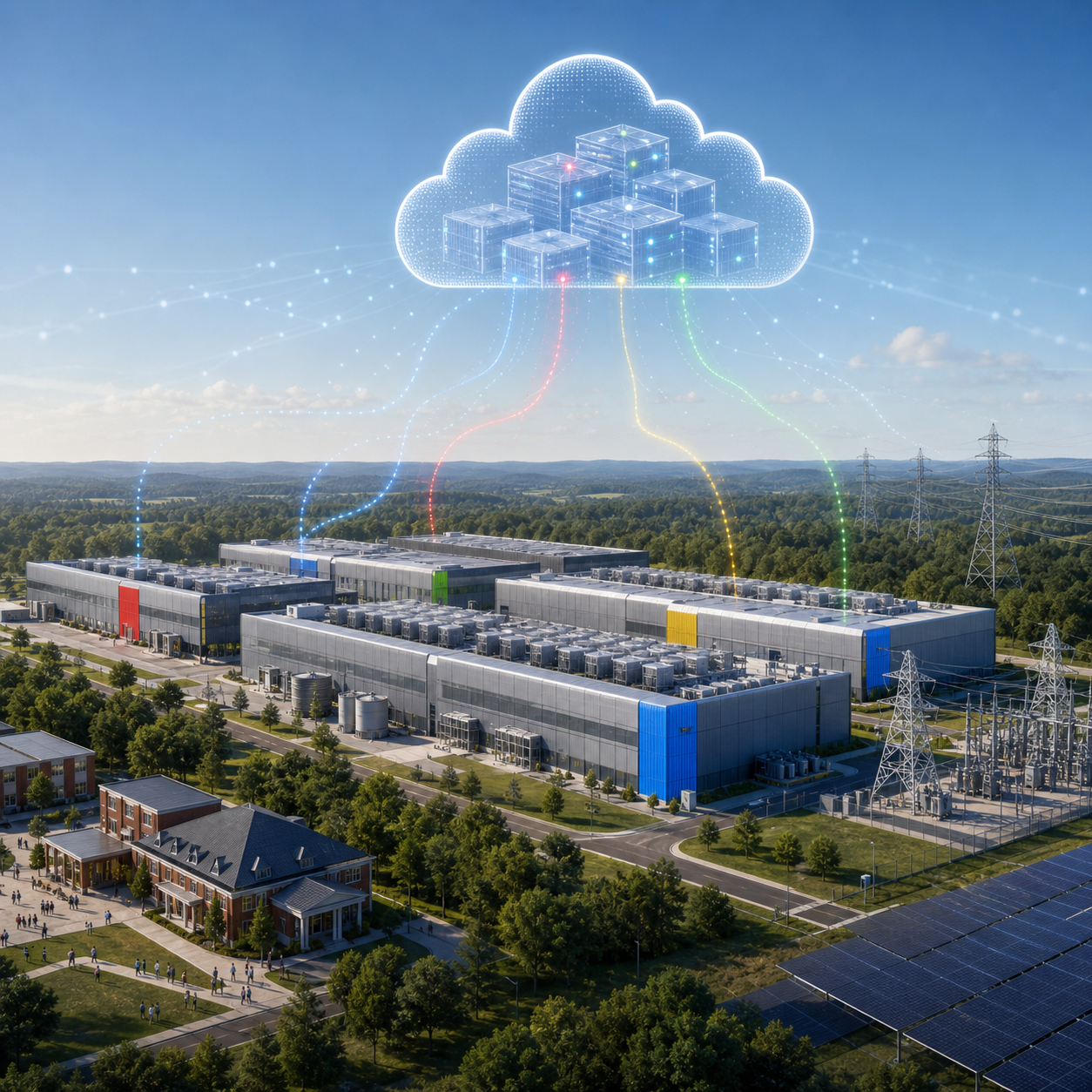
A June 25 Works in Progress analysis resurfaced in today’s Hacker News AI sweep with a useful correction to the AI infrastructure story: the bottleneck is often getting power to the right place, not proving that electricity exists somewhere in the system.
The article uses OpenAI and SoftBank’s Stargate project in Abilene, Texas as the opening example and says that first campus is expected to cost well over USD 40 billion. It then broadens the point: AI data centers and the plants built to serve them have to connect to the electric grid, and that interconnection process is badly backlogged.
Works in Progress says the median US power plant waited less than 20 months for interconnection in 2005, but 55 months by 2023. That statistic is the article’s clearest warning. Even if capital, chips, land, and demand line up, grid queues can still slow the buildout.
AI load is a location problem
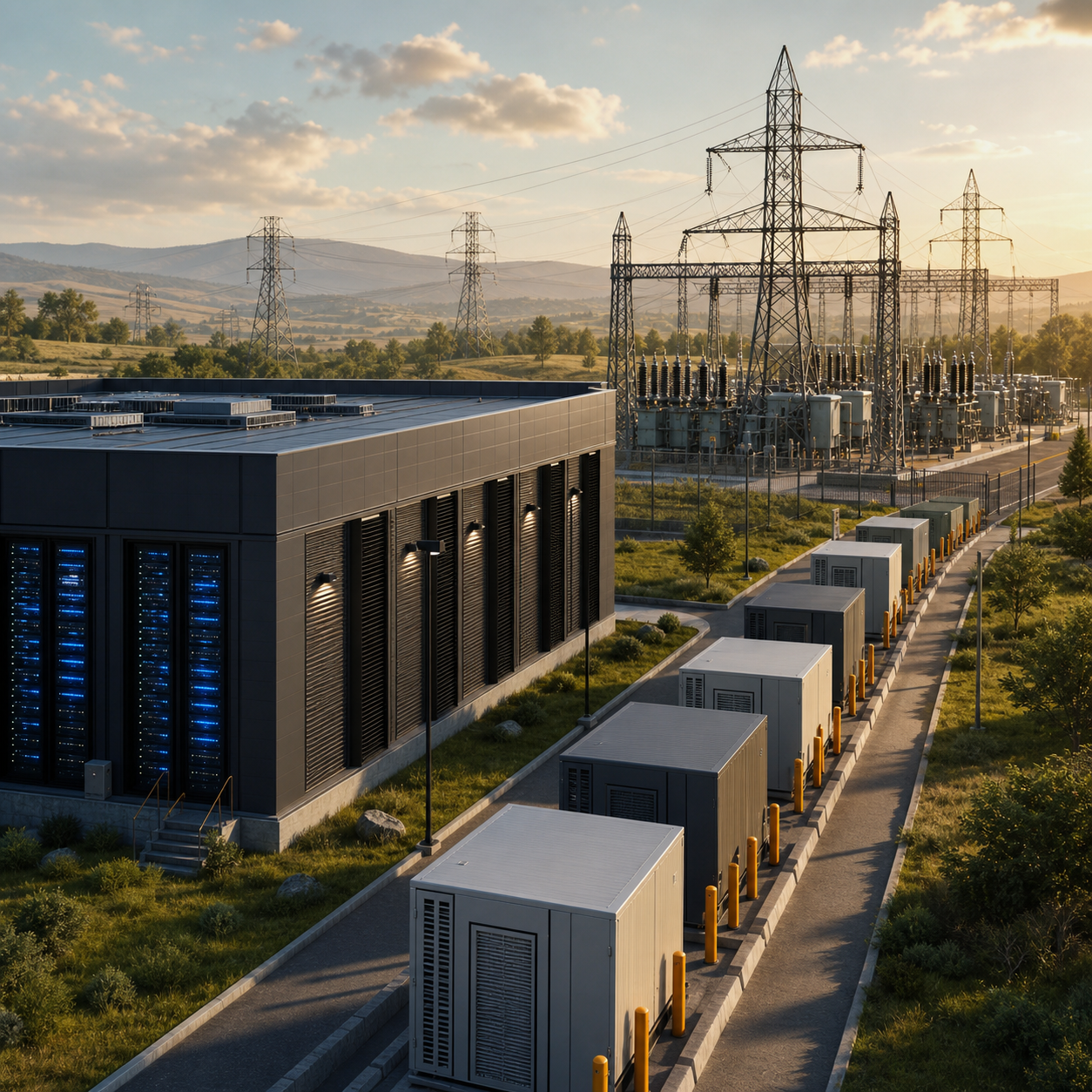
AI infrastructure coverage often focuses on GPUs, model training costs, and hyperscaler capital spending. Those matter. But data centers are physical facilities. They need power at specific sites, on specific timelines, with enough transmission and interconnection capacity to support both the load and the generation serving it.
The Works in Progress argument is that the United States is not simply short of electricity in the abstract. The problem is moving new generation and new demand through a grid process that was not designed for today’s volume or urgency.
That distinction matters for AI companies. A model lab can buy chips faster than a utility can approve a transmission upgrade. A cloud provider can sign power deals faster than projects can move through interconnection studies. A data-center plan can look funded and still be constrained by the queue.
The queue was built for a slower world
Before a new power plant or major load connects, grid operators study how it changes power flows and whether upgrades are needed. That is sensible. A grid cannot treat every new project as harmless.
The problem, according to Works in Progress, is that the queue is overloaded and rigid. The article criticizes a first-come, first-served process that can leave more valuable or more ready projects stuck behind weaker ones. It also argues that the system does not reward projects that can reduce their burden on the grid, such as by covering their own power needs for short periods.
For AI data centers, that creates a planning problem. Builders can try to colocate generation, secure long-term power contracts, or choose sites with better grid access. But each solution still has to pass through a local grid reality.
That is why the electric-grid story belongs in AI coverage. It is not a side issue. It shapes where AI capacity can be built, how fast new clusters come online, and which companies can translate funding into deployed compute.
The practical read for AI watchers
The article does not say AI buildouts are impossible. It says the infrastructure constraint has moved into a slower, less glamorous layer.
That should change how readers evaluate AI capex announcements. A billion-dollar campus plan is not just a financing story. The questions are more operational: where is the site, what power is already available, what generation has to be added, how long is the interconnection queue, and what transmission upgrades are required?
It also changes how to read claims about national AI competitiveness. More chips help only if facilities can power them. More model demand helps only if inference capacity can be placed where the grid can support it.
The next AI infrastructure race will be measured partly in substations, transmission studies, and interconnection reform. Compute is becoming a grid problem.