Anthropic launched Claude Tag on June 23 as a Slack-based way for teams to delegate work to Claude inside shared channels. The beta is available for Claude Enterprise and Team customers.
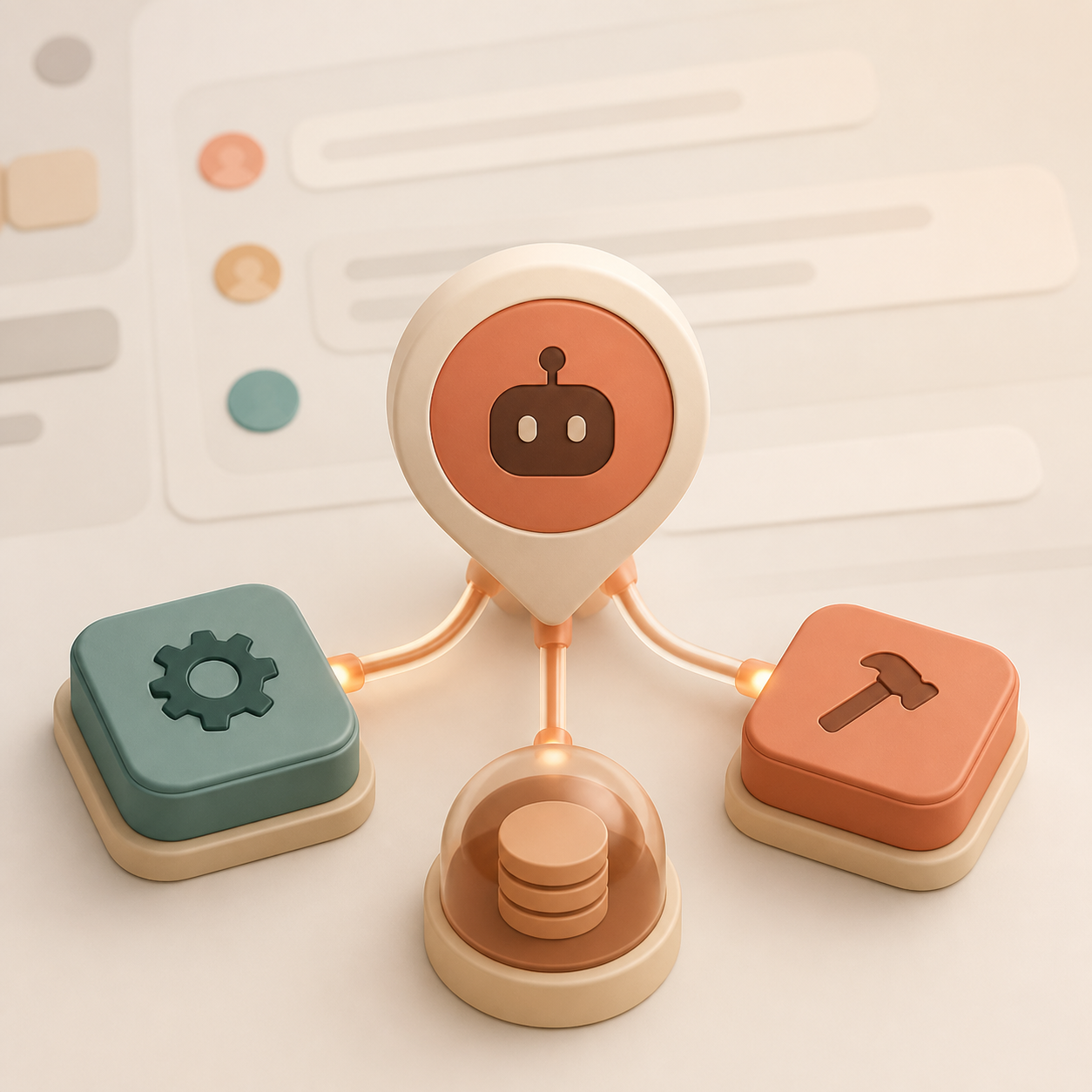
The shift is simple but important. Claude Tag is not a private chat window. It is a shared Claude that can sit in a channel, see the channel context it has permission to access, connect to approved tools and codebases, and respond in threads after working through a task.
Anthropic says Claude Tag starts in Slack because that is where collaborative work already happens for many teams. The larger product direction is agents moving into the places where work is assigned, discussed, and reviewed.
The shared context is the product
Claude Tag behaves differently from a one-person assistant because there is one Claude in a channel. Anthropic says teammates can see what it is working on, pick up from earlier conversations, and tag it into tasks without restarting context from scratch.
The company says Claude can learn over time from the channels and data sources administrators grant it. That memory is scoped. Anthropic says a Claude configured for sales work will not pass memories to one configured for engineering, and it will not give engineers access to sales data or tools.
That boundary is the enterprise feature. A useful workplace agent needs enough memory to avoid being reset every morning, but it also needs strong separation between channels, teams, and data domains.
Claude Tag also has an ambient mode. When enabled, Anthropic says Claude can proactively flag relevant information, keep users updated, and follow up on unresolved threads or tasks that have gone quiet.
Admin controls decide whether this scales
The launch post spends real space on provisioning and controls. System administrators define which tools, information, and channels Claude can use. They can set spend limits for the organization and for individual channels, and they can view logs of what Claude did and who requested each task.
Those controls matter because Slack is full of sensitive operational context. If an agent can see channels, use tools, and remember information, then access design becomes part of the product. The agent should not become a shortcut around data permissions.
Anthropic also says Claude Tag replaces the existing Claude in Slack app. Administrators can opt in within 30 days, and eligible Enterprise and Team organizations receive an introductory launch credit.
The internal usage claim is the sharp hook
Anthropic says tagging Claude is now one of the main ways work gets done inside the company. The most striking figure is that 65% of the product team’s code is created by Anthropic’s internal version of Claude Tag.
That number should stay attributed to Anthropic. It is not independent evidence that every product organization will get the same result. It does show how Anthropic wants customers to think about the product: Claude Tag is a collaboration surface for parallel work, not a novelty bot in a channel.
The examples go beyond engineering. Anthropic says teams use Claude Tag to chase down product metrics, work through support tickets, and find root causes for difficult bugs. That makes it part of the same agent-at-work trend as OpenAI’s Codex research and GitHub’s Copilot app changes.
Slack is only the first surface
The next checkpoint is whether Claude Tag can maintain useful memory and safe permissions as it expands beyond Slack. Anthropic says the goal is to make it available in more places where teams work.
That expansion will be harder than the demo. Email, docs, ticketing systems, code repositories, dashboards, and data warehouses all have different permission models. The product will be judged by whether it keeps context useful without making access blurry.
For now, Claude Tag is a clear signal. The workplace agent market is moving from single-player chat to shared operational surfaces. The question for buyers is not only whether the model is strong enough. It is whether the agent can live inside the team’s real workflow without becoming another system that needs a human to supervise every step.