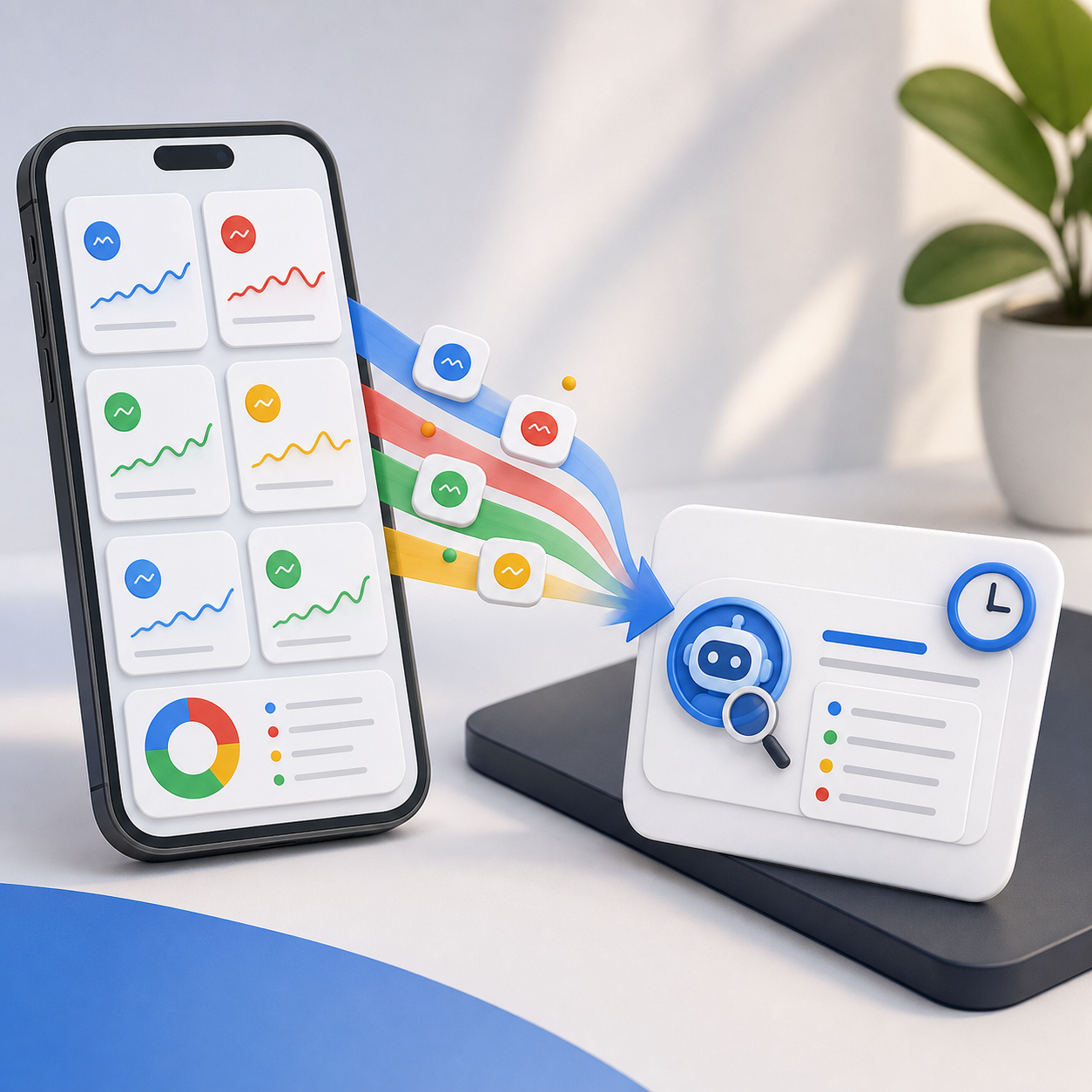
Google published a UK AI productivity update on June 30 that puts numbers behind a familiar argument: AI adoption will not spread evenly unless workers and small businesses learn how to use it.
The company says its products and services supported GBP 140 billion in UK economic activity in 2025. It says more than 40% of that activity, or GBP 60 billion, came from British small and medium-sized businesses using Google’s tools. Google also says products such as Search, Android, Cloud, and YouTube are already saving British workers 51 million hours a week.
Those are Google and Public First’s economic-impact claims, not neutral government measurements. But the way Google is using them matters. The post is less about one AI product and more about the policy case Google wants to make in the UK: AI productivity depends on broad adoption, not only frontier-model access.
The adoption gap is the point
Google frames the update around “AI Trailblazers,” its term for workers and organizations that already use AI deeply enough to change how they work. The implied problem is that many people are still outside that group.
That is why the post leads into skills and diagnostics rather than a model release. Public First is launching an AI skills quiz that lets users benchmark their skills, identify the kind of AI user they are, and get practical next steps. Google’s AI Works for Britain initiative builds on Google Digital Garage, which the company says has trained more than 1.2 million people over the past decade.
The larger target is tied to the UK government’s goal of training 10 million workers in AI skills by 2030. Google says its partnership with the government is one part of reaching that goal.
The practical read is simple: Google is arguing that productivity gains come from usage depth. If AI tools stay concentrated among already-technical workers, the macro story looks smaller. If clerks, managers, teachers, public-sector teams, and small-business owners learn repeatable workflows, the productivity case becomes easier to sell.
The small-business number carries the argument
The most important detail in the post may be the SMB figure. Google says over 40% of the GBP 140 billion in supported UK economic activity came from British SMBs using its tools.
That is the adoption story Google wants policymakers to notice. A productivity strategy built only around large companies will miss the long tail of the economy. Small businesses often have less time, less specialist staff, and less process slack. If AI can reduce admin work, speed up marketing, improve customer support, or make data easier to use, the gains can show up in places that do not have AI teams.
The caveat is that “supported economic activity” is a broad impact category. It should not be read as direct revenue created by AI systems alone. Search, Android, Cloud, YouTube, and other Google services are part of the same calculation. The article is useful because it shows Google’s public case, not because it settles the economic debate.
Hours saved still need better measurement
Google’s 51 million weekly hours-saved claim is the kind of number that will travel. It is also the kind of number readers should handle carefully.
Hours saved are not automatically productivity gained. A saved hour can become more output, better service, lower stress, more meetings, or nothing durable at all. The quality of the workflow matters. So does whether workers trust the tool, whether managers redesign processes around it, and whether the saved time compounds across teams.
That is where training becomes more than corporate social responsibility. If workers use AI only for occasional drafts and summaries, the economic effect is limited. If they use it inside recurring workflows with clear review habits, the claim becomes more plausible.
Google’s update is a marker of where the AI economy conversation is going. The next phase is less about proving that AI can answer questions and more about proving that people across the economy can turn it into reliable work.