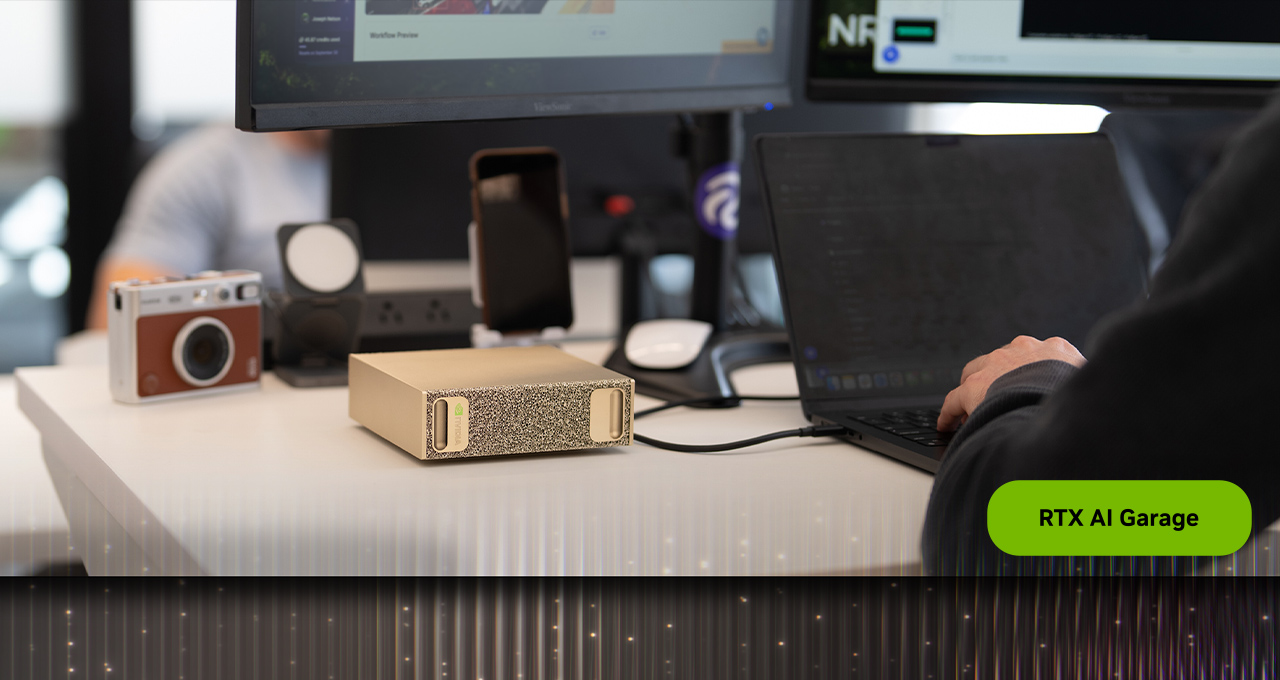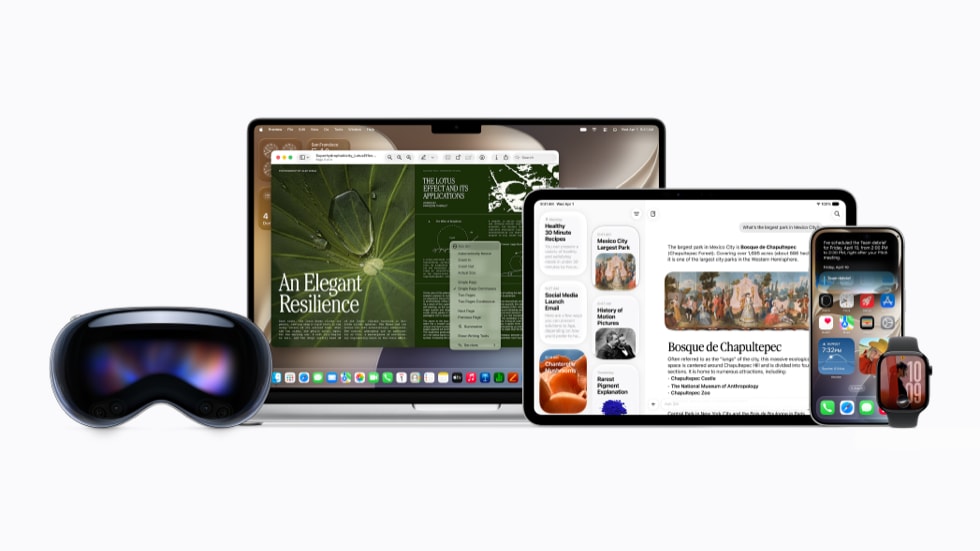
NVIDIA says Apple’s Private Cloud Compute is expanding beyond Apple’s data centers to Google Cloud, with NVIDIA Blackwell GPUs and Confidential Computing supporting server-side inference for Apple Intelligence.
That makes Apple’s privacy architecture more complicated, and more interesting. Private Cloud Compute started as an Apple-controlled answer to a hard product problem: some Apple Intelligence requests need server-scale models, but users still expect Apple-style privacy boundaries. NVIDIA’s June 9 post says the next version of that server path will include Google Cloud infrastructure and Blackwell GPUs with hardware-backed confidential computing.
The provider stack is the news
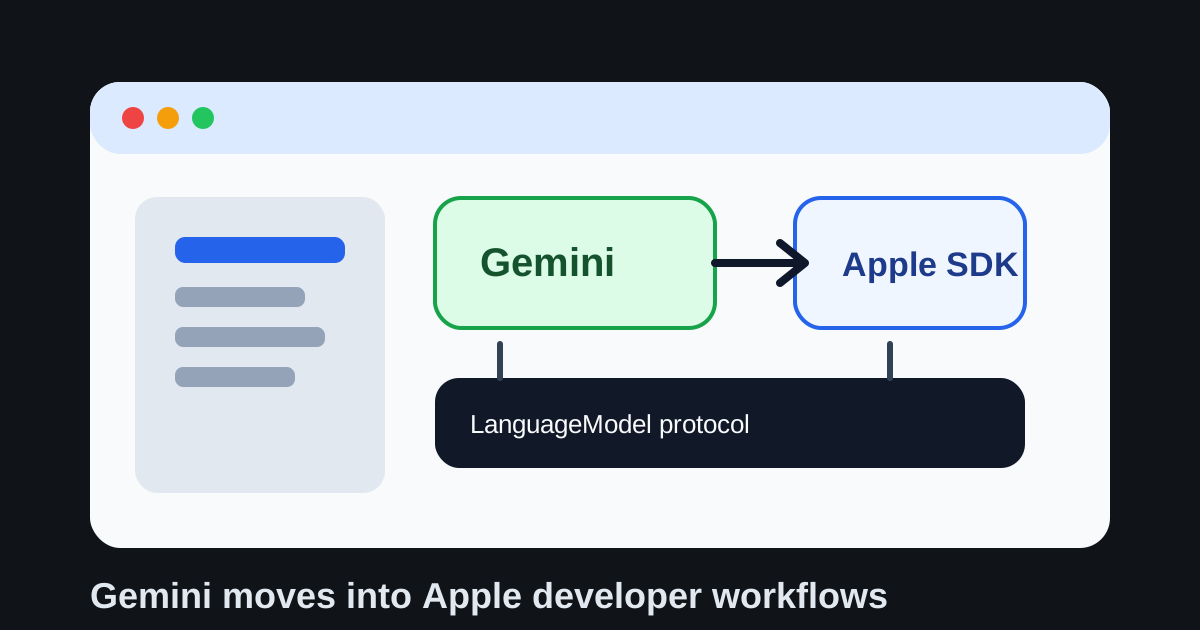
The notable part is not simply that Apple is using more cloud infrastructure. It is the stack: Apple Foundation Models, technologies behind Google’s Gemini family, Google Cloud, and NVIDIA Blackwell hardware all appear in the same server-side path.
NVIDIA describes the work as support for “next-generation Apple Intelligence features.” The company says Apple and Google are custom-building the relevant models, and that NVIDIA is collaborating with both companies to support the inference layer.
That is The AI Feed’s read from NVIDIA’s post, not an Apple capacity disclosure. NVIDIA does not say how much Apple Intelligence traffic will run this way, which features will use it, or when users will see a visible change. The hard fact is narrower: NVIDIA says its confidential-computing GPUs are part of the expanded Private Cloud Compute architecture on Google Cloud.
Confidential inference is the product requirement
NVIDIA’s post explains the relevant security idea plainly: Confidential Computing protects data while it is being processed by isolating workloads in trusted execution environments and letting systems verify that the infrastructure has not been tampered with before sensitive data is sent.
For AI assistants, that matters because the most useful requests are often the most private. A model asked to reason over messages, documents, photos, calendars, or voice conversations cannot be treated like a normal anonymous web query. If that request leaves the device, the user needs a stronger guarantee than “the provider promises to behave.”
Apple’s answer has been Private Cloud Compute. NVIDIA’s pitch is that Blackwell GPUs can bring accelerated inference into that architecture without dropping the privacy bar. The company’s concrete capabilities list includes hardware-rooted trust, encrypted communication paths, remote attestation, and support for accelerated AI inference and training.
The trade-off is still open
The useful caution is that NVIDIA’s announcement is an infrastructure post, not an independent audit. It says what the partners are building, but not how the final Apple Intelligence routing policy will work for users.
Teams should watch for four missing details: which Apple Intelligence features use this path, whether Apple exposes per-request visibility, what audit artifacts are available for the Google Cloud deployment, and whether performance changes enough to matter on daily assistant tasks.
The direction is clear anyway. The next phase of consumer AI will not be only on-device or only cloud. It will be routed. Some requests will stay local, some will go to a private cloud path, and some may use third-party model infrastructure behind a common product surface. Privacy engineering becomes part of the model serving layer, not a separate policy page.
For live model comparisons, see The AI Feed models page. For related company coverage, see NVIDIA, Apple, and Google.