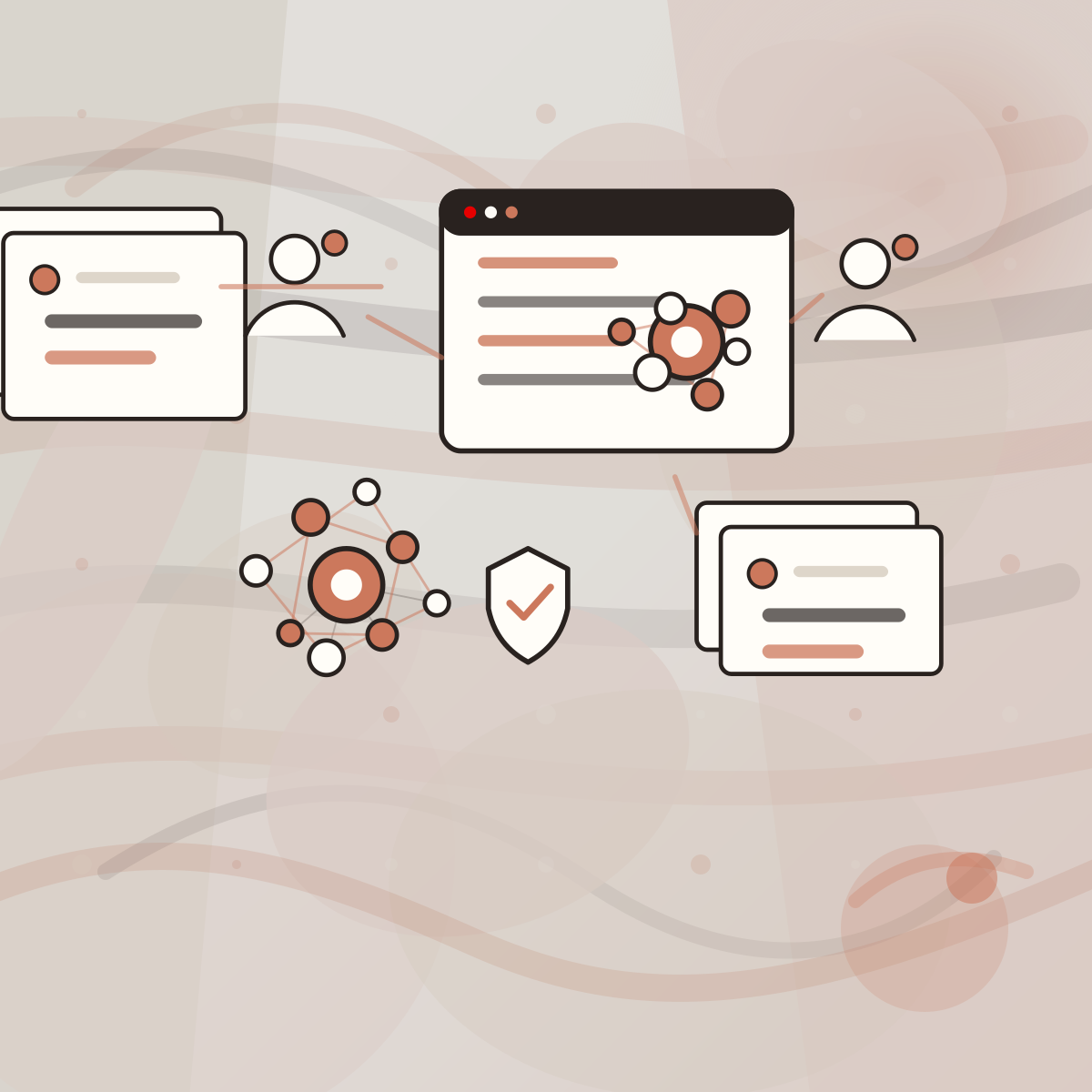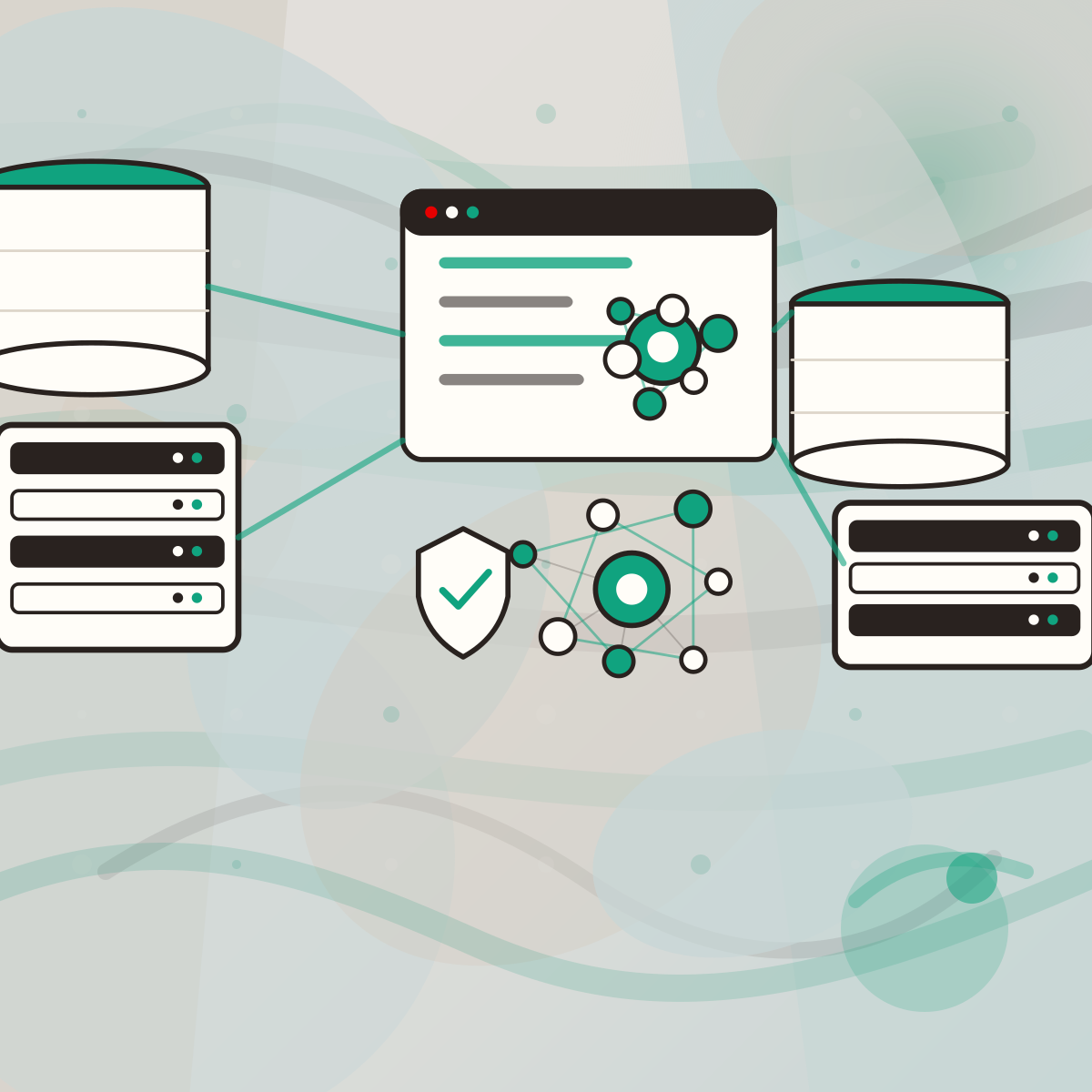
OpenAI and Dell announced a partnership on May 18, 2026 to bring Codex into hybrid and on-premises enterprise environments. The practical point is simple: many companies cannot make agents useful if the agents stay far away from the data, systems, and controls that define real work.
OpenAI says more than 4 million developers use Codex every week, and that companies are already applying it across code review, test coverage, incident response, and large-repository reasoning.
What changed
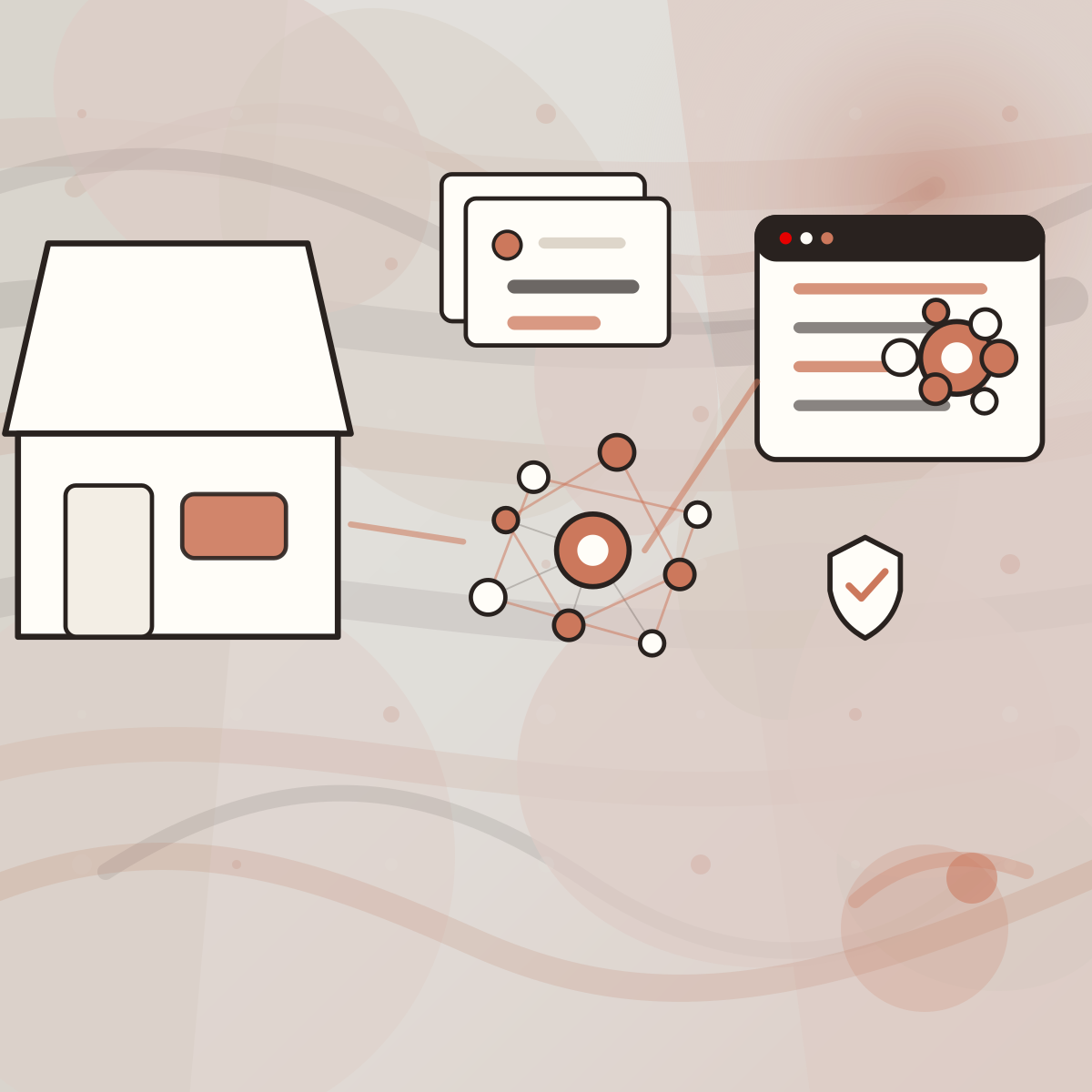
The collaboration connects Codex with the Dell AI Data Platform, where enterprises store, organize, and govern internal data. OpenAI and Dell also plan to explore how Codex, ChatGPT Enterprise, and API-based solutions can interface with the Dell AI Factory for workloads such as preparing data, managing systems of record, running tests, and deploying AI applications against hybrid infrastructure.
That is different from a consumer coding tool launch. It is a deployment architecture story.
Why this matters
The bottleneck for enterprise agents is often not model intelligence. It is context, access, governance, and where the work can legally and operationally happen.
If Codex can operate closer to governed enterprise data, it can reason over codebases, documentation, operational knowledge, and business systems with fewer awkward handoffs. But it also raises the bar for audit logs, permissions, environment isolation, and human approval.
What to watch next
Watch whether this becomes a standard pattern for enterprise AI: agents deployed inside the customer’s data architecture instead of asking sensitive workflows to move outward into a generic cloud product. That is where agent adoption will either mature or stall.