TrueFoundry announced on June 24 that it has acquired Seldon AI, bringing one of the older enterprise ML-serving names into a platform aimed at LLMs, agents, governance, and AI gateways.
TrueFoundry’s own wording is specific: it says it acquired Seldon’s business and customers. The company frames the deal as a bridge for Seldon customers, including financial, healthcare, and retail enterprises, into TrueFoundry’s AI Gateway and broader control plane.
That makes the acquisition more than a startup roll-up. It is a sign that classic machine learning operations and agent operations are becoming the same infrastructure conversation.
Enterprises already run both kinds of AI
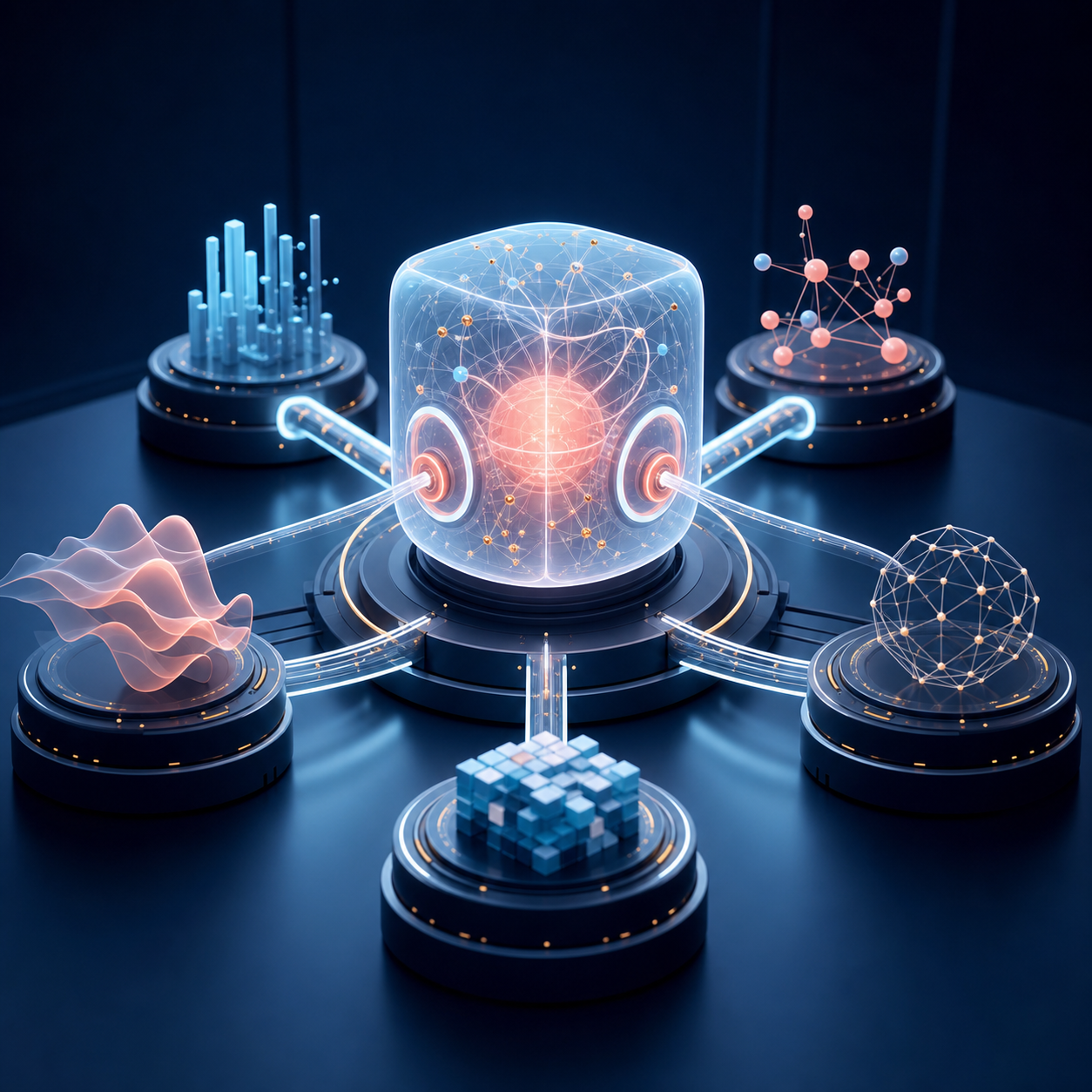
TrueFoundry’s blog states the operational split plainly. Enterprises still run traditional ML models for fraud detection, churn prediction, recommendations, and other real-time decisions. At the same time, they are building agentic applications that use LLMs, call tools, and act across workflows.
Those systems often live in different stacks. Classic ML serving has mature expectations around latency, rollout, observability, A/B testing, canaries, and reliability. Agent systems bring new concerns: tool calls, prompt and policy control, cost tracking, data boundaries, and traceability across multi-step actions.
TrueFoundry’s argument is that customers should not have to operate those as two separate platforms.
Kubernetes is the continuity layer
Seldon’s relevance comes from production ML serving on Kubernetes. TrueFoundry says Seldon customers can keep their production ML running while adopting TrueFoundry’s AI Deploy and AI Gateway for agentic AI.
That continuity matters. A bank, insurer, healthcare company, or retailer may have years of infrastructure and review processes wrapped around existing model-serving systems. A clean-slate agent platform is less attractive if it forces a second governance model and a second operations team.
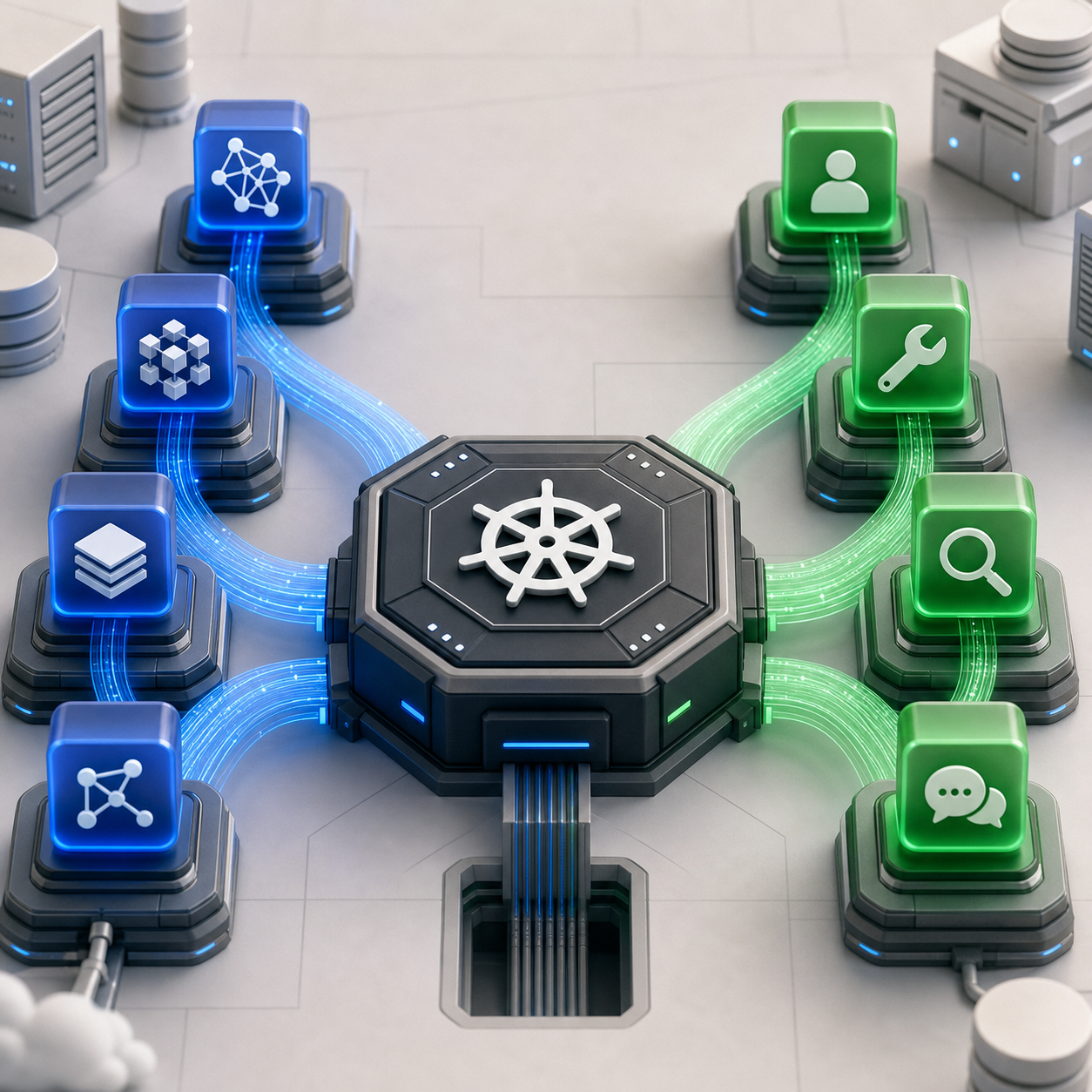
The Kubernetes-native pitch is: keep the foundation, add the agent controls, and manage predictive models and LLM workflows from one place.
Agent governance is becoming infrastructure
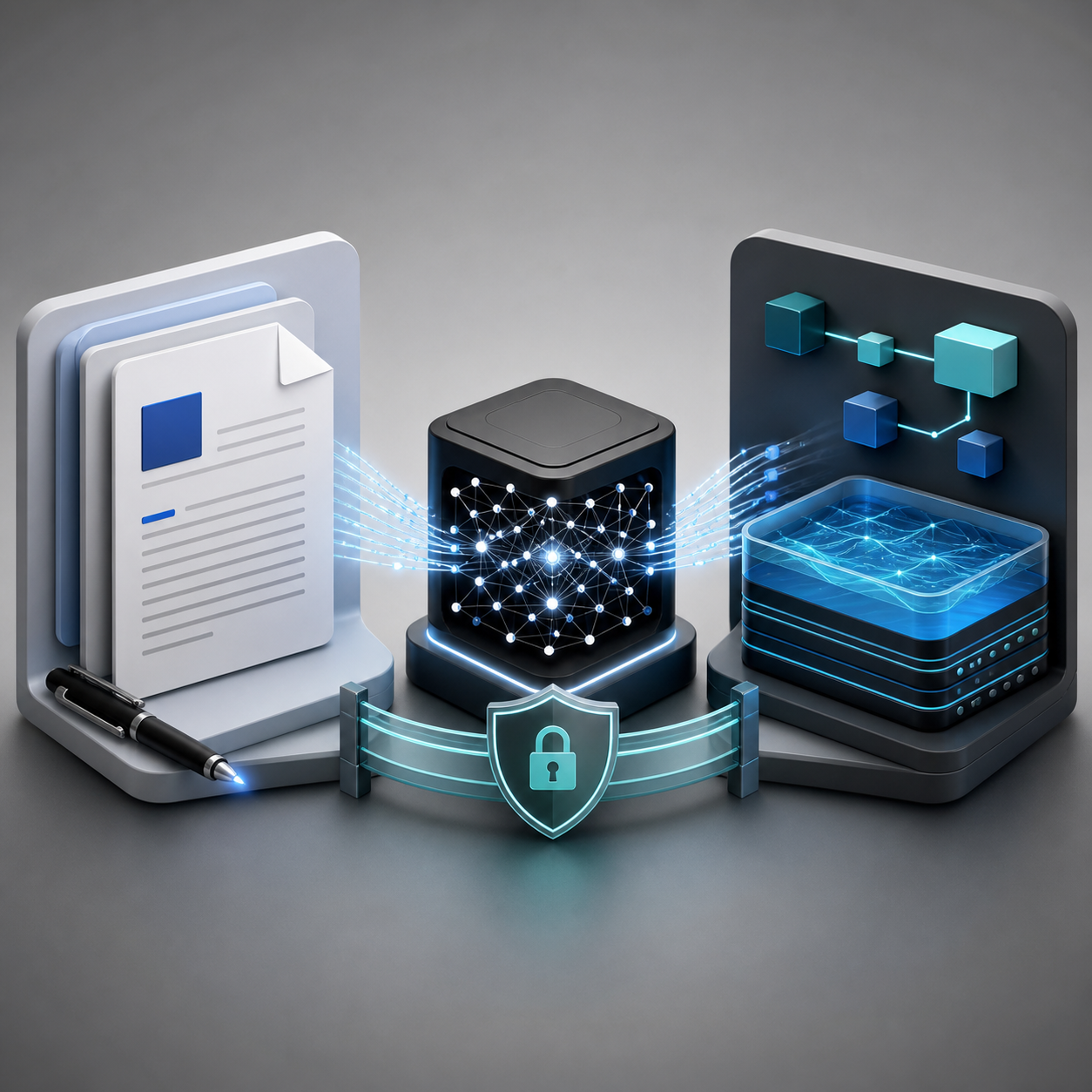
The deal also shows how quickly agent governance is becoming a product category. An AI Gateway is no longer only an API proxy. It has to connect, observe, and govern LLM calls, agents, and tools.
That means policy enforcement, spend controls, trace logging, routing, access control, prompt and response management, and a way to debug failures after a workflow has crossed several systems.
Seldon’s old world was real-time inference. TrueFoundry’s new world is agents. The customer problem is now both at once: keep reliable model-serving discipline while adding a layer for tools and autonomous workflows.
The proof is migration without disruption
The acquisition will be judged by the migration path. TrueFoundry says Seldon customers keep their ML running and gain a path into agentic AI. That is the right promise, but it has to hold under enterprise constraints: regulated data, uptime, legacy integrations, and audit requirements.
The next evidence to watch is not a demo. It is whether Seldon customers move agent workloads onto the same control plane without losing confidence in their existing model operations.
If that works, the deal will look like an early example of the next enterprise AI stack: traditional ML, LLMs, and agents governed together because the business risk is already shared.